Why Is Lumn Stock Dropping. The stock lies in the middle of a very wide and falling trend in the short term and further fall within the trend is signaled. Read stock experts’ recommendations for help on deciding if you should buy, sell or hold.
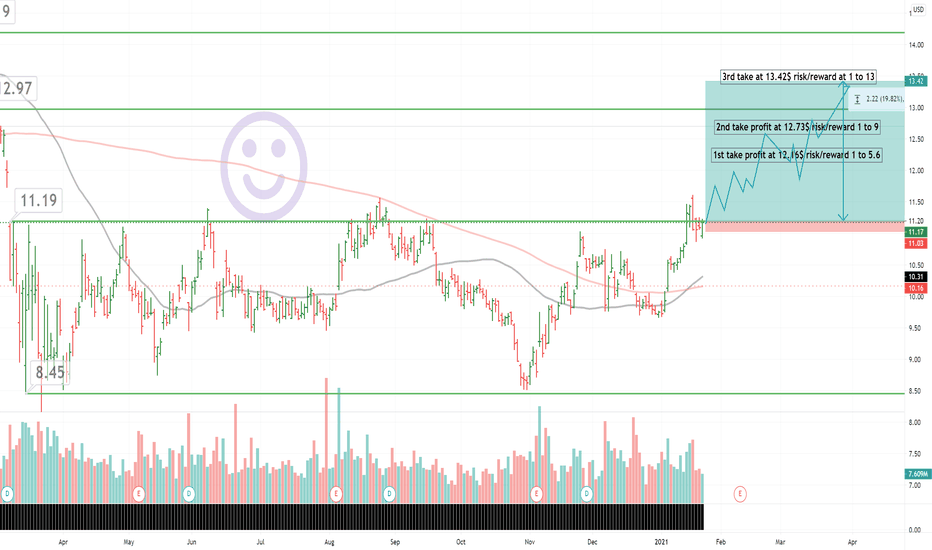
LUMN Stock Price and Chart — NYSELUMN — TradingView from www.tradingview.com The various stock types
A stock is an unit of ownership for the corporation. A portion of total corporation shares could be represented by one stock share. Stocks are available through an investment company or you can purchase an amount of stock on your own. Stocks can be volatile and are able to be utilized for a broad variety of uses. Some stocks are cyclical , others are not.
Common stocks
Common stock is a kind of equity ownership in a company. These securities can be issued in voting shares or ordinary shares. Ordinary shares, also referred to as equity shares are often utilized outside of the United States. The term "ordinary share" is also employed in Commonwealth countries to refer to equity shares. They are the simplest type of equity ownership in a company and are the most commonly held form of stock.
Common stocks have many similarities to preferred stocks. The most significant distinction is that preferred stocks have voting rights but common shares don't. They have less dividends, however they don't give shareholders the right to the right to vote. Thus, when interest rates rise or fall, the value of these stocks decreases. However, interest rates could be lowered and rise in value.
Common stocks also have a higher chance of appreciation than other kinds of investment. They are less expensive than debt instruments and offer an unreliable rate of return. Common stocks don't need to make investors pay interest, unlike other debt instruments. Common stock investments are the best way to reap the benefits of increased profits, and contribute to the stories of success for your business.
Preferred stocks
The preferred stocks of investors are more profitable in terms of dividends than ordinary stocks. But like any type of investment, they are not without risk. Diversifying your portfolio through different kinds of securities is crucial. To do this, you could purchase preferred stocks using ETFs/mutual funds.
Most preferred stocks don't have a maturity date however, they are able to be purchased or called by the company that issued them. The date for calling is usually five years from the date of the issuance. This investment blends the best qualities of bonds and stocks. These stocks, just like bonds have regular dividends. There are also fixed payment and terms.
Preferred stocks provide companies with an alternative option to finance. One example is pension-led funding. Certain companies can defer paying dividends , without affecting their credit rating. This gives companies greater flexibility and permits them to pay dividends if they are able to earn cash. However, these stocks are also subject to interest-rate risk.
The stocks that aren't cyclical
A non-cyclical company is one that does not see significant change in value as a result of economic trends. They are typically found in industries that provide the goods and services consumers demand continuously. They are therefore more steady in time. Tyson Foods, for example offers a variety of meat products. Consumer demand for these kinds of products is high year-round, which makes them an excellent option for investors. Companies that provide utilities are another example for a non-cyclical stock. They are stable, predictable, and have higher share turnover.
The trustworthiness of the company is another crucial factor in the case of non-cyclical stocks. High customer satisfaction rates are generally the most desirable options for investors. While some companies may appear highly rated, customer feedback could be misleading and not be as high as it ought to be. It is important to focus your attention on companies that offer customer satisfaction and excellent service.
The stocks that are not susceptible to economic volatility could be an excellent investment. While the price of stocks can fluctuate, they outperform their industries and other types of stocks. They are often referred to as "defensive stocks" since they protect investors from the negative effects of economic uncertainty. Non-cyclical stocks also diversify portfolios, allowing investors to profit consistently regardless of how the economic conditions are.
IPOs
A type of stock sale that a company makes available shares in order to raise funds which is known as an IPO. These shares are offered to investors on a predetermined date. Investors who are interested in buying these shares can submit an application to be included as part of the IPO. The company determines how many shares it needs and allocates them accordingly.
IPOs require you to pay attention to all details. Before making a final decision it is important to take into consideration the management of the company as well as the credibility of the underwriters. Large investment banks are generally favorable to successful IPOs. There are also risks involved when you invest in IPOs.
An IPO allows a company to raise huge sums of capital. It also makes the business more transparent, increasing its credibility and giving lenders greater confidence in their financial statements. This can result in better borrowing terms. Another benefit of an IPO, is that it provides a reward to stockholders of the company. Investors who participated in the IPO are now able to trade their shares on the secondary market. This helps stabilize the stock price.
A company must meet the requirements of the SEC for listing in order to qualify to go through an IPO. After this step is complete, the company can start advertising the IPO. The last stage of underwriting involves the creation of a group of broker-dealers and investment banks who can buy the shares.
Classification of businesses
There are numerous ways to classify publicly traded corporations. The stock of the company is just one method. Shares can be preferred or common. The main difference between shares is the number of voting votes they each carry. The former allows shareholders to vote in company meetings, whereas the latter lets shareholders vote on specific aspects of the company's operation.
Another option is to categorize firms based on their sector. This approach can be advantageous for investors that want to identify the most lucrative opportunities in certain industries or sectors. However, there are a variety of factors which determine whether the company is part of an industry or sector. One example is a drop in stock price that could affect the stock price of companies in its sector.
Global Industry Classification Standard and International Classification Benchmark (ICB) Systems use product and service classifications to categorize companies. For example, companies in the energy sector are included under the group called energy industry. Oil and Gas companies are classified under oil and drilling sub-industry.
Common stock's voting rights
In the past few years, there have been several debates about the common stock's voting rights. There are a variety of reasons why a company might give its shareholders voting rights. The debate has resulted in numerous bills being proposed in both the House of Representatives as well as the Senate.
The number and value of shares outstanding determine the number of shares that have voting rights. A 100 million share company can give you one vote. A company that has more shares than is authorized will be able to exercise a larger voting power. The company can therefore issue more shares.
Preemptive rights are also possible with common stock. These rights permit the holder to retain a certain percentage of the stock. These rights are important because a business could issue more shares, or shareholders might want to buy new shares to keep their share of ownership. Common stock is not a guarantee of dividends, and companies are not obliged by shareholders to pay dividends.
Investing in stocks
A portfolio of stocks can offer greater returns than a savings account. If a company succeeds the stock market allows you to purchase shares of the business. Stocks also can yield significant returns. You can make money through the purchase of stocks. You can also sell shares of an organization at a higher cost, but still get the same amount as when you first made an investment.
The investment in stocks comes with a risks, as does every other investment. Your tolerance to risk and the timeframe will assist you in determining which level of risk is appropriate for your investment. The most aggressive investors seek to increase returns, while conservative investors seek to safeguard their capital. Moderate investors are looking for a steady, high return over a long time but aren't willing to risk their entire capital. A prudent approach to investing can lead to losses, so it is essential to assess your comfort level prior to making a decision to invest in stocks.
Once you have established your risk tolerance, you are able to invest small amounts of money. It is also possible to research different brokers to determine which is right for you. A great discount broker will provide educational tools as well as other resources to aid you in making educated decisions. Discount brokers can also provide mobile apps, with minimal deposits requirements. It is important to check the requirements and charges of the broker you are interested in.
After dropping sharply two months back, bullishness has started to return. Lumen technologies (nyse:lumn) stock is taking a beating on thursday following a massive block trade that took place overnight. Free cash flow is forecast to drop from $3.6 billion to $2.2 billion.
Read Stock Experts’ Recommendations For Help On Deciding If You Should Buy, Sell Or Hold.
Predictions of lumn stock price for tomorrow. Earnings reports or recent company news can cause the stock price to drop. Since february, it has inched up from around $9.50 per share.
So, What Caused The Recent Precipitous Drop In Lumn Stock?
Read more to find out if lumn stock is a buy, sell, or hold before earnings. After dropping sharply two months back, bullishness has started to return. Lumn | complete lumen technologies inc.
The Company Has Decent Growth Opportunities.
Find the latest lumen technologies, inc. Lumen technologies (nyse:lumn) stock is taking a beating on thursday following a massive block trade that took place overnight. A block sale is likely dropping lumn stock january 13,.
This Year, Lumen Is Expected To Record Its Lowest Free Cash Flow Total Since 2017.
Their lumn share price forecasts range from $6.00 to $10.00. You are wondering about the question why is lumn stock dropping but currently there is no answer, so let kienthuctudonghoa.com summarize and list the top articles with the question. The stock lies in the middle of a very wide and falling trend in the short term and further fall within the trend is signaled.
Lumen Will Announce Its Q1 2022 Earnings Next Wednesday On The 4Th Of May.
That massive share movement at a discounted price from yesterday’s close easily explains why shares of lumn stock are slipping today. Free cash flow is forecast to drop from $3.6 billion to $2.2 billion. (lumn) stock quote, history, news and other vital information to help you with your stock trading and investing.

Post a Comment for "Why Is Lumn Stock Dropping"